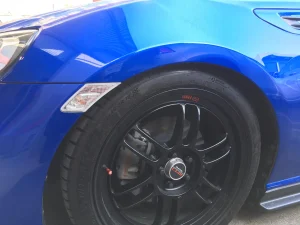
Brakes are the one system in a vehicle that cannot be overlooked. Most drivers rarely think about their brakes until they notice something feels wrong, and by that time, wear has often been accumulating for a while. It’s important for every driver to know what to look out for and where to find reliable brake repairs Queensland.
In most vehicles, the brake system does not collapse overnight. It is a result of overlooked warning signs. If the driver pays attention to sounds and vibrations coming from the vehicle, problems with the brake system can be addressed at an early stage, without requiring major repairs.
What Happens If You Ignore Warning Signs of Brake System Failure
Brake wear gradually, and the early signs are easy to brush off or put on the back burner. The trouble with that approach is that worn brake components affect how quickly a vehicle stops and push extra load onto surrounding parts. They also contribute to deterioration in other systems. This can create genuinely dangerous situations within a short span.
Keeping the brake system functioning optimally is a basic safety requirement for vehicle owners. It matters even more, given Queensland’s climate and traffic conditions, which make this worth taking seriously. The heat, the dust, and the constant stop-and-start of suburban areas wear brakes harder than many drivers account for. Here, regular brake inspection is less about following a schedule and more about knowing what the conditions actually demand.
Warning Signs That Brake Repairs Are Needed
Brake problems rarely appear without warning. Most of the time, there are clear signals well before anything reaches a critical point. The key is knowing what those signals look like.
Common warning signs to watch:
• Squealing or squeaking when pressing the brake pedal is usually a sign that the pads are worn down and touching the rotor
• Grinding noises indicate that the pad material is gone, and metal is now contacting metal directly
• A soft or spongy pedal that takes more pressure than normal or drops toward the floor
• Vibration or pulsing through the pedal during braking often points to warped rotors.
• The vehicle pulls to one side when stopping, which can indicate a seized calliper or uneven pad wear.
• A burning smell after driving in heavy traffic or on hills, suggesting the brakes are overheating
• The brake warning light is showing up on the dashboard
One of these is enough reason to book an inspection. Several appearing at the same time means it should not be put off for another day.
Common Brake Repairs and What They Involve
Having a basic understanding of what each repair involves puts drivers in a much better position to have an honest conversation with their mechanic and make decisions they actually feel confident about.
- Brake Pad Replacement
Pads press against the rotor to slow the vehicle and wear down with every stop. Once the thickness drops below a safe level, they need to be replaced. Leaving them in worn-out condition for too long substantially damages the rotors and the brake system.
- Brake Rotor Resurfacing or Replacement
Rotors develop surface irregularities through heat and regular use over time. Minor issues can sometimes be corrected through machining. Where a rotor has worn below minimum thickness or has significant scoring, replacement is the correct call. Damaged rotors compromise stopping performance and cause new pads to wear out far faster than they should.
- Brake Calliper Service
Callipers apply hydraulic pressure to push the pads against the rotor. A calliper that is sticking or seized causes uneven braking, one-sided wear, and often a noticeable pull when stopping. Depending on what an inspection finds, service may involve cleaning and lubricating the component or replacing it.
- Brake Fluid Flush
Brake fluid absorbs moisture over time. It brings down the fluid’s boiling point and reduces the hydraulic system’s performance. A flush removes the degraded fluid and replaces it with fresh fluid to the correct specification. In Queensland, where heat places real demands on a braking system, this service earns its place in regular maintenance.
- Brake Hose and Line Inspection
Hoses connect the rigid brake lines to the callipers and expose them to both internal pressure and external heat and debris. A cracked or bulging hose is a serious safety issue that needs immediate attention and should be part of any thorough brake service.
Understanding the Connection Between the Brake and the Suspension
Braking and suspension are more connected than most drivers appreciate. Brake and suspension that Inala drivers should know that worn suspension components affect how evenly a vehicle sits on the road, which in turn changes how braking load is distributed across all four wheels.
Worn shock absorbers cause the vehicle to pitch forward harder under braking, putting more demand on the front brakes than they should be carrying. Ball joints and wheel bearings in poor condition affect stopping stability in ways that are hard to pin down without looking at both systems together. An inspection that covers brake and suspension conditions in Inala gives a far more complete picture of where the vehicle actually stands.
How Often Should Brakes Be Inspected in Queensland?
| Vehicle Use | Recommended Inspection Interval |
| Standard daily commuting | Every 12 months or at each scheduled service |
| Frequent urban stop and start driving | Every 6 to 12 months |
| Regular towing or heavy loads | Every 6 months |
| High mileage vehicles | At every scheduled service |
| Any vehicle showing warning signs | Immediately |
Maintaining brakes in optimal condition is one of the simplest ways for a driver to ensure safety and prevent rising repair costs from neglecting brake issues. For reliable brake repairs, Queensland drivers can count on thorough workshops, clear communication, and a focus on doing the work properly rather than just getting through it.
Get Reliable Brake Repairs Across Queensland from Rising Sun Automotive
At Rising Sun Automotive, we service brakes and suspension for drivers across Inala, Coopers Plains, Acacia Ridge, and throughout the broader Queensland region. We inspect carefully, explain what we find without overcomplicating it, and carry out repairs to a satisfactory standard.
Our skilled experts will perform a comprehensive inspection of your car’s entire brake & suspension system, including the condition of the linings, rotors, drums, callipers, wheel cylinders, brake hardware, hoses, master cylinder, springs, shock absorbers, bars, struts, arms, bushings, linkages and joints.
Connect with us to keep your vehicle’s brake system in top-notch condition.
Frequently Asked Questions
How do I know when my brakes need attention?
Squealing or grinding when braking, a soft or spongy pedal, vibration during stopping, the vehicle pulling to one side, or the brake warning light coming on are all signs that an inspection is needed. These should be acted on rather than monitored and left.
How long do brake pads typically last?
It depends on driving style, vehicle type, and road conditions. Frequent urban stops wear pads faster than open-road driving. Regular inspections at each service provide a far more accurate read on pad condition than any fixed-kilometre estimate.
Is it safe to drive with worn brakes?
No. Worn brakes increase stopping distances, add load to surrounding components, and in serious cases can result in significant loss of braking effectiveness. Delaying repairs increases both the safety risk and the eventual cost of fixing the problem.
What is the difference between pad and rotor replacement?
Pads are routine wear items replaced as part of regular servicing. Rotors are more durable but can warp, score, or wear below minimum thickness over time. Whether a rotor needs resurfacing or replacement is determined during inspection based on its current condition.
Why should the brake and suspension be checked together?
Suspension condition affects how braking load is distributed across the vehicle. Worn components can disguise or worsen brake-related symptoms. Checking both together gives a complete and accurate picture of vehicle safety rather than a partial one.